

Oh boy
Boys will be what we teach them to be

As I cycled home recently, I passed a large group of teenage boys. They had just gotten off a coach and were on their way back to school. All dressed in uniform but with varying degrees of confidence and swagger, you could sense their exuberance, as well as the awkwardness and insecurity that are so integral to this life stage. As the mother of two teenage boys, I can relate. It is a vulnerable and precious time. The body seems out of sync (why do they suddenly have such big feet?), subject to hormonal changes and irregular growth spurts, while the brain is undergoing major remodelling. Not quite men, no longer children. I felt tremendous empathy for those boys.
Society as a whole, not so much. Once they reach adolescence, boys are either ignored or confronted with prejudice. They are seen as potential predators, possessing unearned privilege, and harbouring hostile attitudes towards women. We also assume they are good at sports, can’t sit still for very long, and their academic achievements won’t match those of their female peers. While we managed to remove many limiting stereotypes to empower girls, we continue to pigeonhole boys into a very narrow set of gender expectations. Often unconsciously, we continue to reinforce norms we are trying to dismantle elsewhere. For example, I would never state that girls are biologically wired to be obedient or pleasing. Yet I shamefully admit that I happily said things like ‘boys need to run around, they’re just like dogs’ when my children were younger (and I was less aware of the problem). As Ruth Whippman1 writes – her book Boy Mum is a real eye opener – ‘casual gender essentialising of boys is surprisingly common, even in liberal spaces.’ Parents approve of girls expressing their tomboyish side but are decidedly more uncomfortable with boys exploring their feminine side. Our culture encourages girls to maintain physically close friendships, often into adulthood. Boys however start hiding their vulnerability, and affection for other boys once they reach adolescence for fear of being seen as effeminate. Policy interventions in education help increase the number of girls studying STEM fields, but where are the measures to get boys to pursue teaching or caring professions?
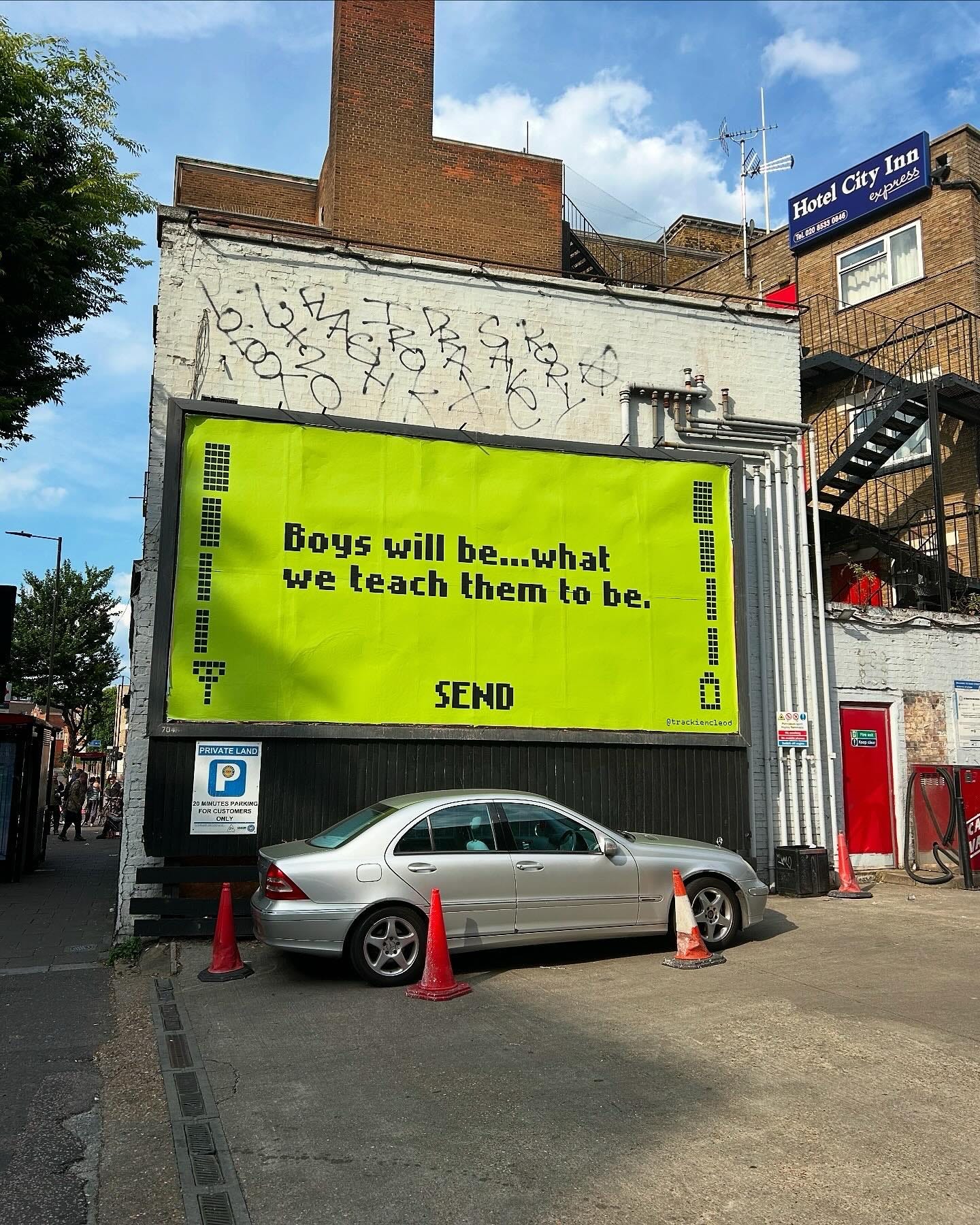
Boys will be what we teach them to be. And we’re not doing a great job. Today’s young men are faring worse than young women by almost every measure. They are outperformed in school, university, and increasingly in the job market. (Even in some athletic disciplines women are fast catching up with men.) Men are three times as likely as women to become dependent on alcohol and drugs, and to kill themselves. They often struggle to create emotional intimacy with other men, tend to have fewer close friends and are more susceptible to severe loneliness. Women on the other hand tend to have more emotionally intimate friendships and a larger social support network. Not because they are hardwired to do so. Girls are taught from a very young age to look after others, to nurture relationships, to listen, to care – skills we don’t emphasise enough in the upbringing of boys. So-called ‘masculine traits’ like stoicism, dominance, and aggression are stubbornly reasserted by the patriarchal society we still live in. As Whippman points out, masculinity is something that needs to be constantly earned and proven. Young men live in fear of not being masculine or man enough. The shame resulting from this struggle can be literally life-threatening.
Patriarchal culture deprives men in particular of the one thing that makes life most worth living: connection - to themselves and others.
I question how far men are still privileged today. What makes a good life? What do we value as a society? I believe gender stereotypes are so entrenched because abolishing them would mean calling into question a whole worldview, an ideology of oppression and extraction. The conservative backlash we are currently experiencing is the last outcry of a crumbling, dysfunctional system. As culture shifts - at least in the futures I am imagining - more towards care, connection and regeneration, young men are the ones who need most support.
“Masculinity is at war with itself right now. The essential mistake of patriarchy is dominion – whether it is power over nature, your wife, your kids, or your own body. There is a new relational, ecological world out there that cures the essential delusion of dominance and power.” – Terry Real2
I find the argument that worrying about men undermines the feminist cause tiring and counterproductive. If we fail to raise caring and emotionally mature men, we all struggle.
“To be feminist in any authentic sense of the term is to want for all people, female or male, liberation from sexist role patterns, domination, and oppression.” – bell hooks3
A closer look at the wellbeing of boys is long overdue. I have seen first-hand how caring young boys are towards other children, babies in particular, if this behaviour is allowed and encouraged. I also recognise the hurt in older boys, when they suddenly shut down the more vulnerable and caring parts of themselves in order to fit in. I don’t believe in biological gender determinism. There is no consistent and conclusive evidence that any brain differences found can be solely attributed to biological sex. Brains are malleable and shaped by the experiences we have. Socialisation matters. Study after study has shown that behavioural differences in sex are negligible. The only noteworthy difference is one of timing, the age at which brains and bodies develop during puberty. But even so, does that warrant different treatment of boys and girls?
The urgency of this debate cannot be underestimated. Three weeks ago, Austria was deeply shaken, as a 21-year-old man killed nine teenagers and one teacher in a school attack, before taking his own life. This happened in Graz, a small city where I studied and where many of my friends and family still live – many of them with school-age kids. In the aftermath of such traumatic events, communities search for answers. How could this happen? Could it have been prevented? Access to weapons is discussed, how to make schools safer, and the role of social media. The fact such a horrible attack occurs in a small city in Austria, a seemingly safe and functioning society, surprises people. But there is no reason why any place should be immune. I believe we need to look at the way we socialise boys. (School shootings and similar attacks are almost exclusively committed by boys and men). People can feel lonely and isolated anywhere. Online radicalisation can happen wherever there is internet access.
“In many ways, boys and young men who commit crimes are the sirens alerting us to the consequences of raising our children in a “boy” culture that clashes with our human nature and our social and emotional needs.” – Niobe Way4
As one sociologist points out, it is often males who are unable to deal with humiliating experiences, bullying, or failures at school. Some boys struggle to process negative feelings, rejection, or jealousy, and sometimes develop problematic coping mechanisms, and in extreme cases resort to violence.
This is also the topic of the widely discussed TV drama Adolescence, which has become Netflix’s second most-watched English series ever. Brilliantly acted, filmed and produced, it has rightly won critical acclaim. But I worry that it paints again an extremely pessimistic picture, focussing on the most problematic behaviour. The deliberate ambiguity around why the main character acts so violently makes for compelling television, but I wonder if boys might think they are to blame. I welcome the discussions the series has ignited, but I feel we desperately need to give boys a more positive vision. Many organisations5 are already addressing the problem by teaching boys to become more emotionally aware, developing their relational skills, or giving them the space to explore their creativity. But we need culture at large to get on board. Young boys need to learn new ways of relating that are not about dominion. They need us to listen, care and believe in them. Otherwise, the next sad manosphere influencer will exploit their insecurities.
A great first step would be to separate the debate about the wellbeing of boys and men from the term ‘masculinity’. The fight for women’s rights rarely includes discussions about ‘the right kind of femininity’, a social construct that means different things to different people and cultures. Nobody should have to worry about whether they are feminine or masculine enough (or too much).
“The goal should not be to switch one type of masculinity (toxic) to another type of masculinity (healthy/positive), but rather to reject the idea that the formation of one’s identity, meaning one’s value system and tastes, can only be mediated through a fixed gender expression.” – Alice Cappelle6
I wholeheartedly agree. Can we move on and focus on our shared humanity instead? The next time you encounter a group of teenage boys, think about this for a second. So much potential, so much energy, so much to give. It’s up to us adults to ensure they grow up to be well-rounded humans capable and worthy of love and connection.

Ruth Whippman’s book Boy Mum is a must-read for all parents and feminists. She also writes an insightful newsletter
Listen to this inspiring panel with family therapist, speaker, and author Terry Real
If you read only one book about the topic make it this one The Will to Change: Men, Masculinity, and Love by bell hooks
Niobe Way has spent decades interviewing adolescent boys. The stories and insights are compiled in her book Rebels with a Cause. Her research also informed the Oscar-nominated film Close about the friendship between two adolescent boys
Football Beyond Borders supports the most disengaged boys in school. The Spit Game (not exclusive to boys) is championing young Black creativity
Alice Cappelle’s book Collapse Feminism investigates feminist (and anti-feminist) ideologies in the context of internet culture and online communities